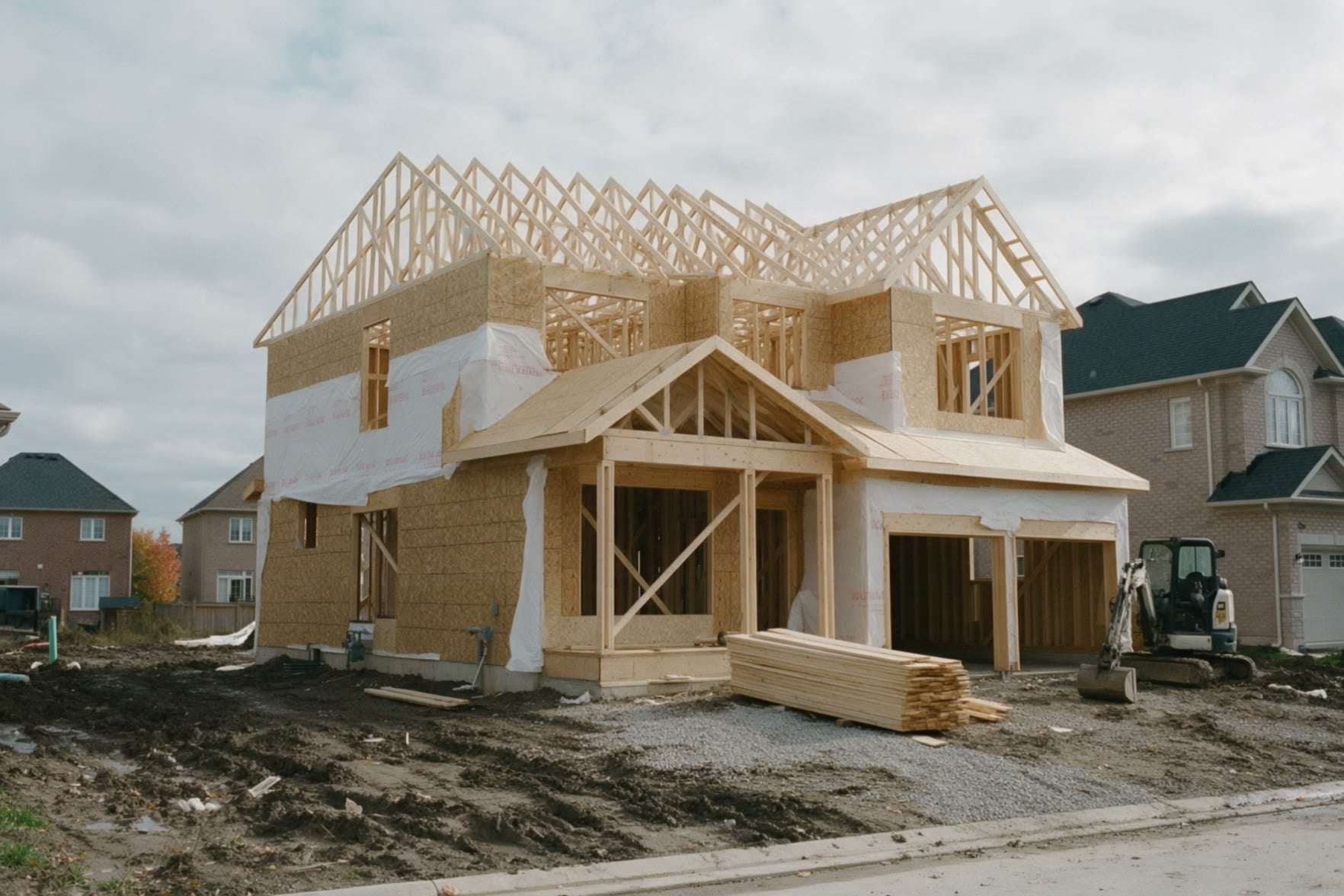
Buyer’s guide · Reviewed October 2026
What happens, when, and the one thing at each stage that most often goes wrong. Pre-construction usually takes two to four years.
 01Before launch
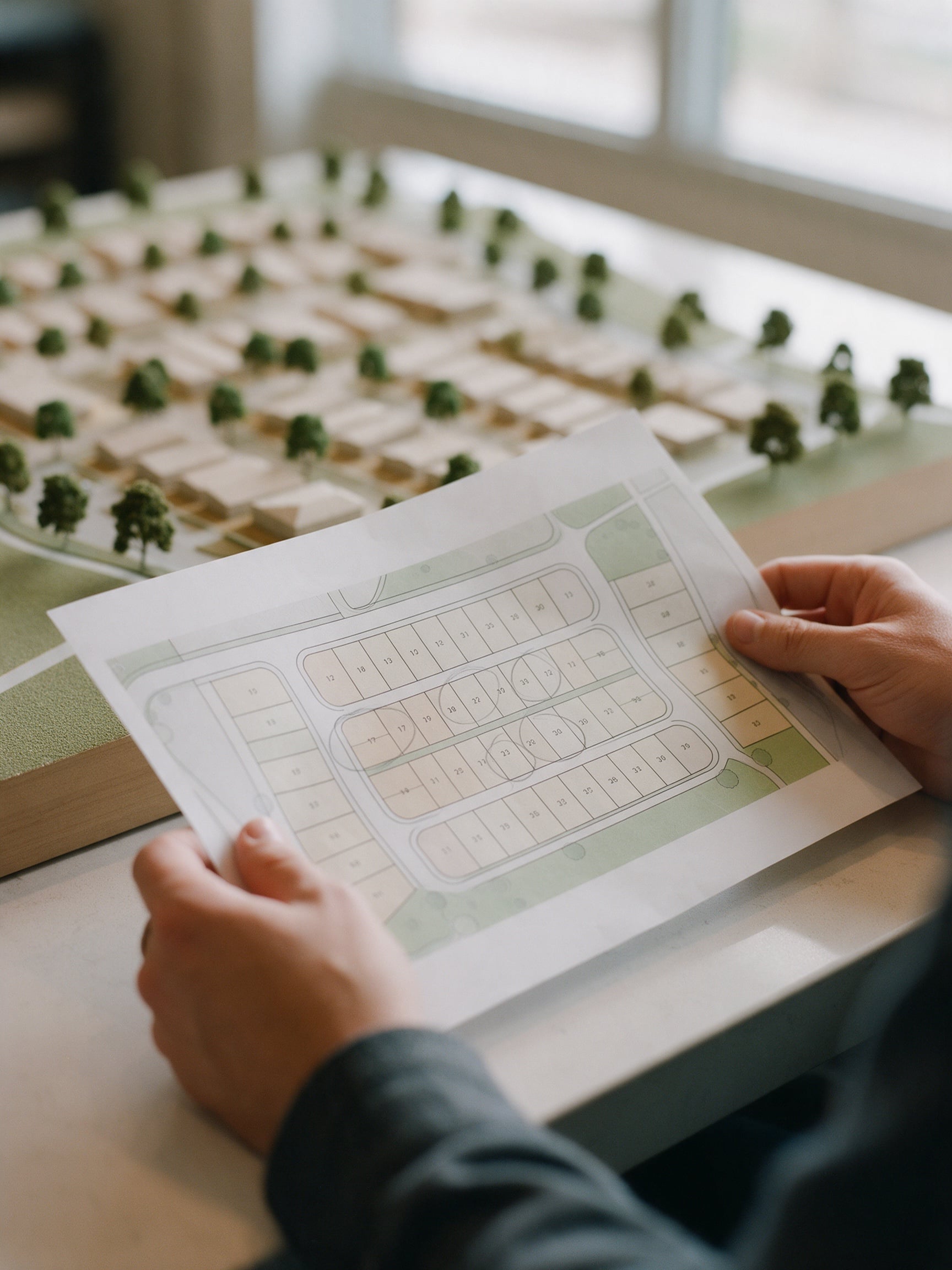
Register and research
Builders open registration lists months ahead. Registered buyers and their agents see floor plans and pricing first, often with better lots.
- Get the price list, the site plan and the deposit structure in writing before you visit the sales centre.
- Look the builder up in the HCRA Ontario Builder Directory: licence status, homes enrolled, past conduct, and any Tarion claims or conciliations.
- Drive the area at rush hour and on a Saturday. Find out which school your lot is actually assigned to — and whether it’s a holding school.
Watch for‘VIP pricing’ is often the launch price everyone gets. Ask what is actually different.
 02Day 0
Sign the agreement
The agreement of purchase and sale (APS) and its Tarion addendum set your price, deposits, closing dates, caps on extra charges and assignment rights.
- Condos have a 10-day statutory cooling-off period under Ontario’s Condominium Act. Freehold homes have none yet — a 10-day period was legislated in 2024 but isn’t in force — so ask for a lawyer-review clause before you sign.
- Look for a cap on development charges and levies. Full charges on a single detached home in Caledon are $146,540 (February 2026); if rates rise after you sign, an uncapped agreement can pass the increase to you.
- Note the first tentative closing date and the outside date. Those two dates decide how long the builder can delay before you can walk away.
Watch forFreehold contracts are binding the moment both sides sign. Read it with your lawyer first, not after.
 03Months 0–12
Pay the deposits
Most GTA freehold projects take 10–20% in instalments over the first year; condos often take 15–20% spread to occupancy.
- Tarion protects freehold deposits up to 10% of the price, to a maximum of $100,000 ($60,000 on homes $600,000 or less). Condo deposits are protected up to $20,000 by Tarion; the rest sits in trust under the Condominium Act.
- Register your purchase with Tarion within 45 days of signing. From January 1, 2027, freehold buyers who register late may get less deposit protection.
- Deposits above those limits rely on the builder’s solvency or excess deposit insurance — ask whether the project has it.
- Post-dated cheques are usually collected at signing. Make sure the money will be there.
Watch forBuilder receiverships happen. Peel buyers have lost years waiting on stalled projects.
 04Months 6–36
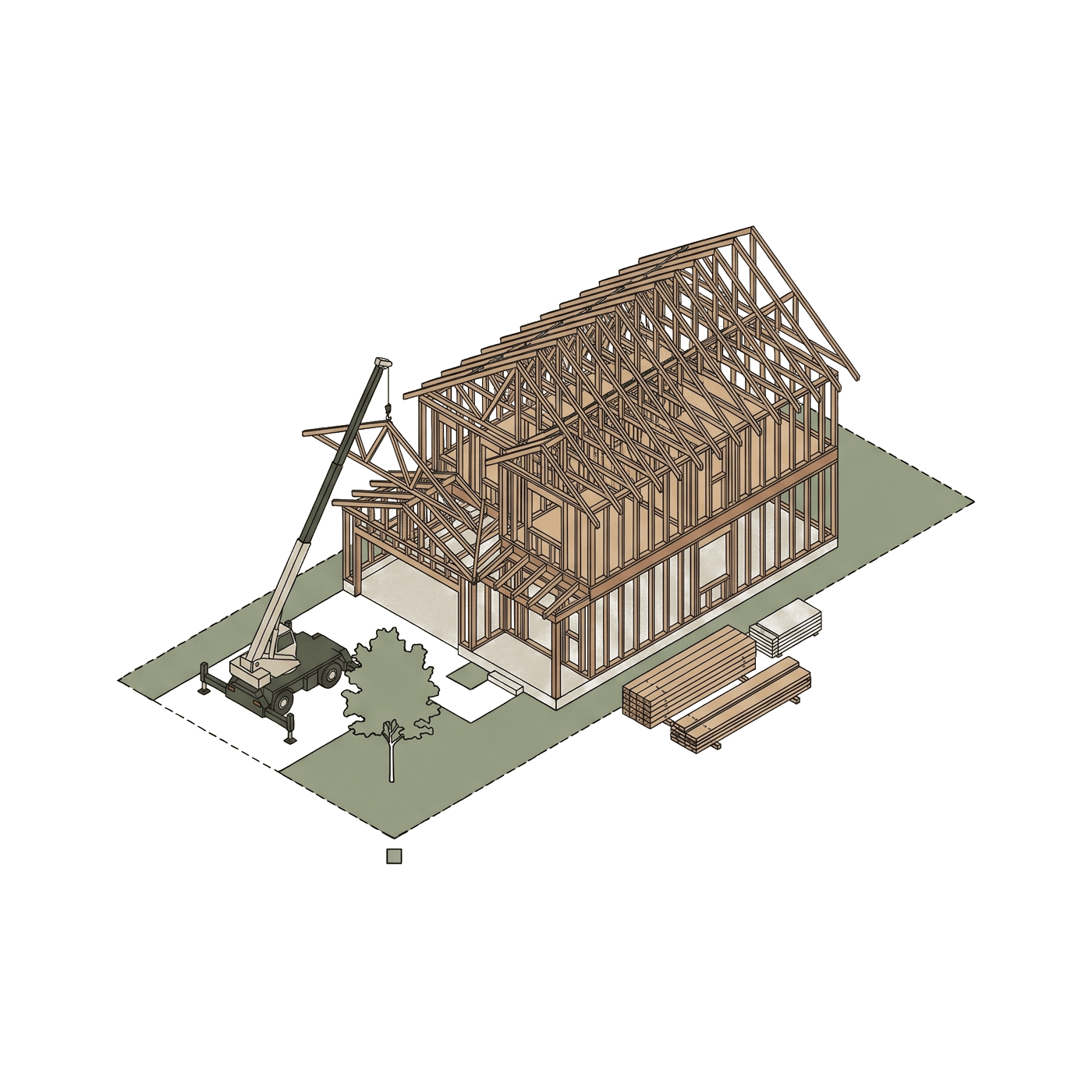
Construction and selections
You’ll book a décor appointment to choose finishes. Upgrades are usually paid up front, and they don’t always appraise.
- Builders can set up to two tentative closing dates, then must set a firm date. Each change needs proper written notice.
- If the builder misses the firm date, Tarion’s delayed-closing compensation applies: $150 a day for living expenses, plus receipted moving and storage costs, up to $7,500 in total.
- Visit the site (with permission) and keep dated photos. They help at PDI.
Watch forPrice upgrades against what a lender will value. A $40,000 kitchen can’t be financed if the appraisal won’t carry it.
 05120–60 days before closing
Mortgage and appraisal
Pre-approvals expire after 90–120 days, so the real mortgage is arranged near the end. The lender will appraise the home at today’s value, not the price you signed.
- If values have fallen since you signed, you cover the gap in cash. The builder still expects the full price.
- First-time buyers and anyone buying new construction can amortize an insured mortgage over 30 years.
- Under the stress test you qualify at the greater of 5.25% or your contract rate plus 2%.
- Insured mortgages are available on homes priced below $1.5 million.
Watch forRun the closing stress test with a 10% lower appraisal before you sign — not at the end.
 061–2 weeks before closing
Pre-delivery inspection
You walk through the finished home with the builder’s rep and record every defect and unfinished item on the Tarion PDI form.
- Bring a checklist, painter’s tape and a phone with a good camera. You can bring a designate or a home inspector.
- Anything not written on the PDI form is harder to claim later.
- Test every window, door, tap, outlet and the furnace.
Watch forDon’t sign the form if items are missing. Write them down first.
 07Key day
Closing (and condo occupancy)
Freehold: ownership transfers and you get the keys. Condo: you move in during interim occupancy and pay an occupancy fee until the building registers.
- Your lawyer will send a statement of adjustments with land transfer tax, development charges, Tarion enrolment, utility connections and HST on those items.
- Interim occupancy on a condo can last months. The fee is not rent toward your purchase — it covers interest, estimated tax and common fees.
- Mortgage default insurance PST (8% of the premium) is due in cash at closing in Ontario. It can’t be added to the mortgage.
Watch forBudget 3–5% of the price on top of your down payment for closing day.
 08Years 1–7
Warranty
Tarion’s warranty runs one year for workmanship and materials, two years for water penetration and building systems, and seven years for major structural defects.
- Submit a 30-day form in your first month and a year-end form before the first anniversary.
- Builders get a set window to fix items; if they don’t, Tarion can step in.
- Keep copies of everything — forms, emails, photos.
Watch forMiss the 30-day and year-end forms and you lose leverage. Diary them on closing day.
The 2026 HST rebate
Ontario’s Enhanced New Housing Rebate refunds up to the full 13% HST — to a maximum of $130,000 — on a new home you or a relative will live in, if you sign between April 1, 2026 and March 31, 2027.
Up to a $1 million pre-tax price you get the full HST back. From $1 to $1.5 million it’s a flat $130,000. It tapers to the standard $24,000 at $1.85 million.
Builders quote prices differently: some include HST before the rebate, some deduct it already, some quote before tax. Ask which — and get it in writing.
Pre-tax price $1,200,000
Total rebate $130,000($106,000 more than today’s standard)
Questions to ask a builder
Take this to the sales centre. Tick each one off when you have the answer in writing — not just a verbal yes.
0 of 16 answered — saved in this browser
Glossary
- APS
- Agreement of purchase and sale — the contract with the builder. Includes the Tarion addendum and schedules for deposits, extras and closing adjustments.
- Assignment
- Selling your contract to someone else before closing. Builders set the rules and fees; many restrict marketing it on MLS. Profit is taxable, and HST may apply.
- Development charges & levies
- Municipal and regional fees for roads, water and services. Builders often pass some to buyers on closing — check whether your APS caps them.
- Firm closing date
- The final closing date the builder sets after any tentative dates. Missing it can trigger Tarion delayed-closing compensation.
- Freehold
- You own the house and the land. No condo fees. Townhomes can be freehold, or part of a common-elements (POTL) condominium with a monthly fee.
- HCRA
- The Home Construction Regulatory Authority licenses Ontario builders. Its Ontario Builder Directory shows each builder’s record.
- Interim occupancy
- For new condos: the period you live in your unit before the building is registered and title transfers. You pay a monthly occupancy fee.
- Land transfer tax
- Ontario’s tax on buying property, paid on closing. First-time buyers get up to $4,000 back. Brampton and Caledon add no municipal LTT.
- Outside date
- The latest date the builder can close by. After it passes, you can usually terminate and get your deposit back with interest.
- PDI
- Pre-delivery inspection — the walk-through before closing where defects are recorded on Tarion’s form.
- POTL
- Parcel of tied land — a freehold home tied to a common-elements condominium (shared roads, landscaping) with a monthly fee.
- Tarion
- Ontario’s new-home warranty and deposit-protection program. Every new home must be enrolled.
- Tentative closing date
- An early estimate of your closing. Builders can set two, with notice, before setting a firm date.